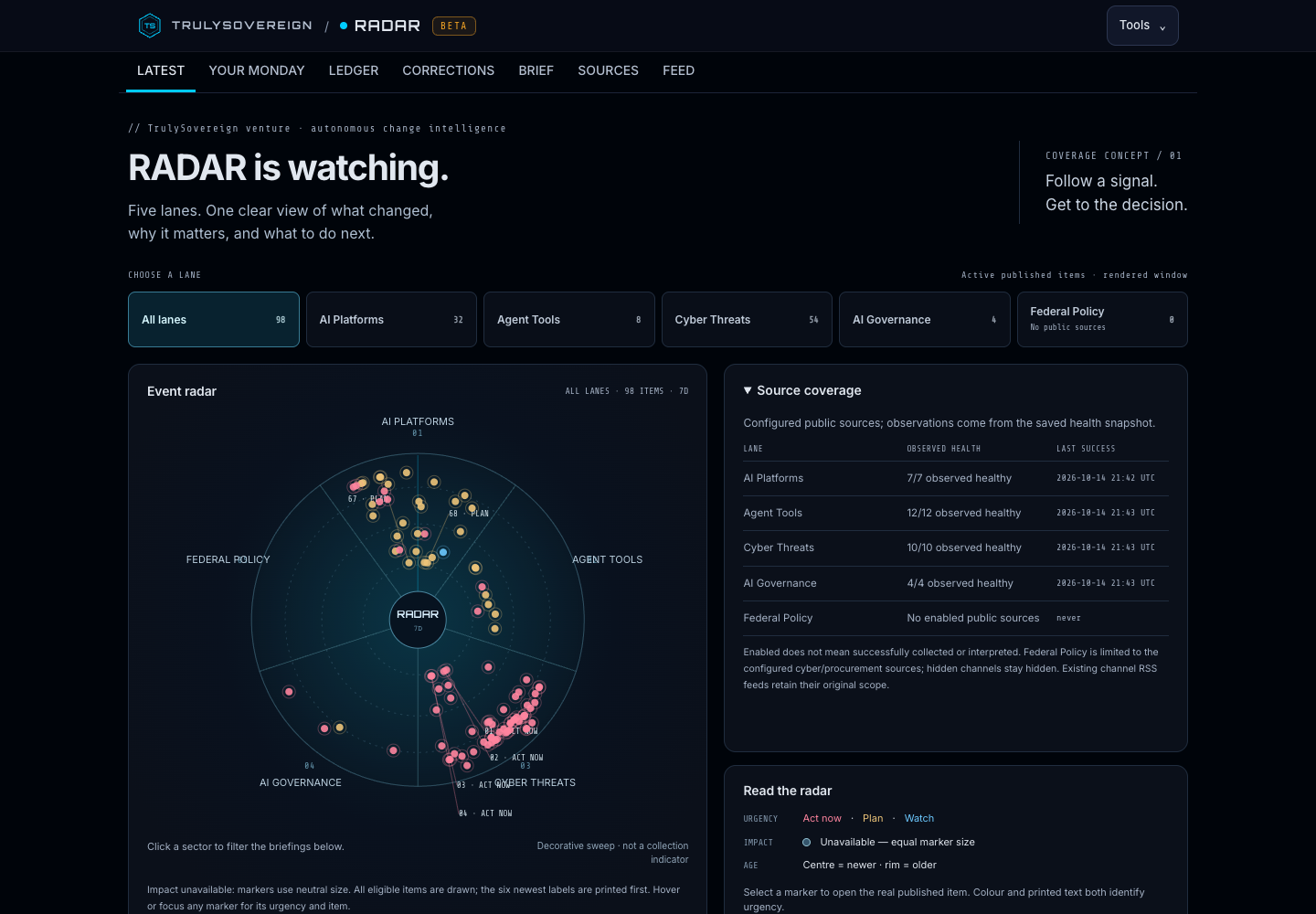
Beta · public service
RADAR
AI platform changes and security advisories, explained through what changed, why it matters, and what to do.
Precision is not yet measured. Published items and corrections are available to inspect.
How RADAR worksChuck Orlowski / Security & applied AI
I help teams decide where AI fits, put workable controls around it, and build the skills to use it. My own tools make the work inspectable.
Built here. Used here first.
A look inside the work
Actual interface captured 15 Oct 2026; a point-in-time view.
RADAR Beta Precision not yet measuredFounder-led. Operator-built.Explore Chuck’s background →
Big 4 consulting
GE VernovaBusiness Information Security Officer
CMMC Industry Standards CouncilMember
Selected work / 01
Three examples from my own practice. Open the evidence, explore the interface, and see what each tool does today.
Beta · public service
AI platform changes and security advisories, explained through what changed, why it matters, and what to do.
Precision is not yet measured. Published items and corrections are available to inspect.
How RADAR works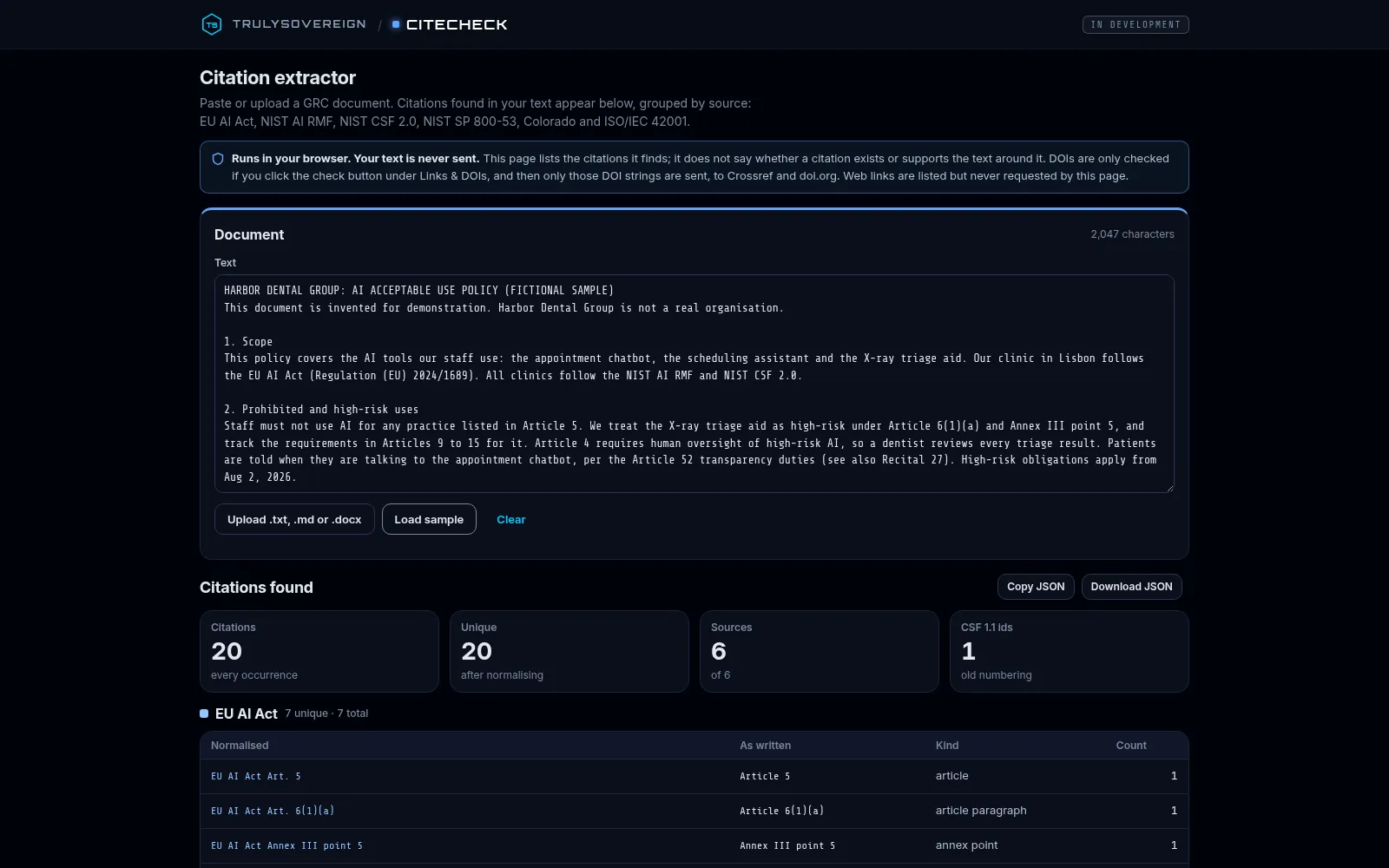
Early access · in development
Find citations in GRC documents and check whether they exist in version-pinned copies of their sources.
Existence checks are available. Checking whether a citation supports the surrounding claim is not ready.
Explore CITECHECK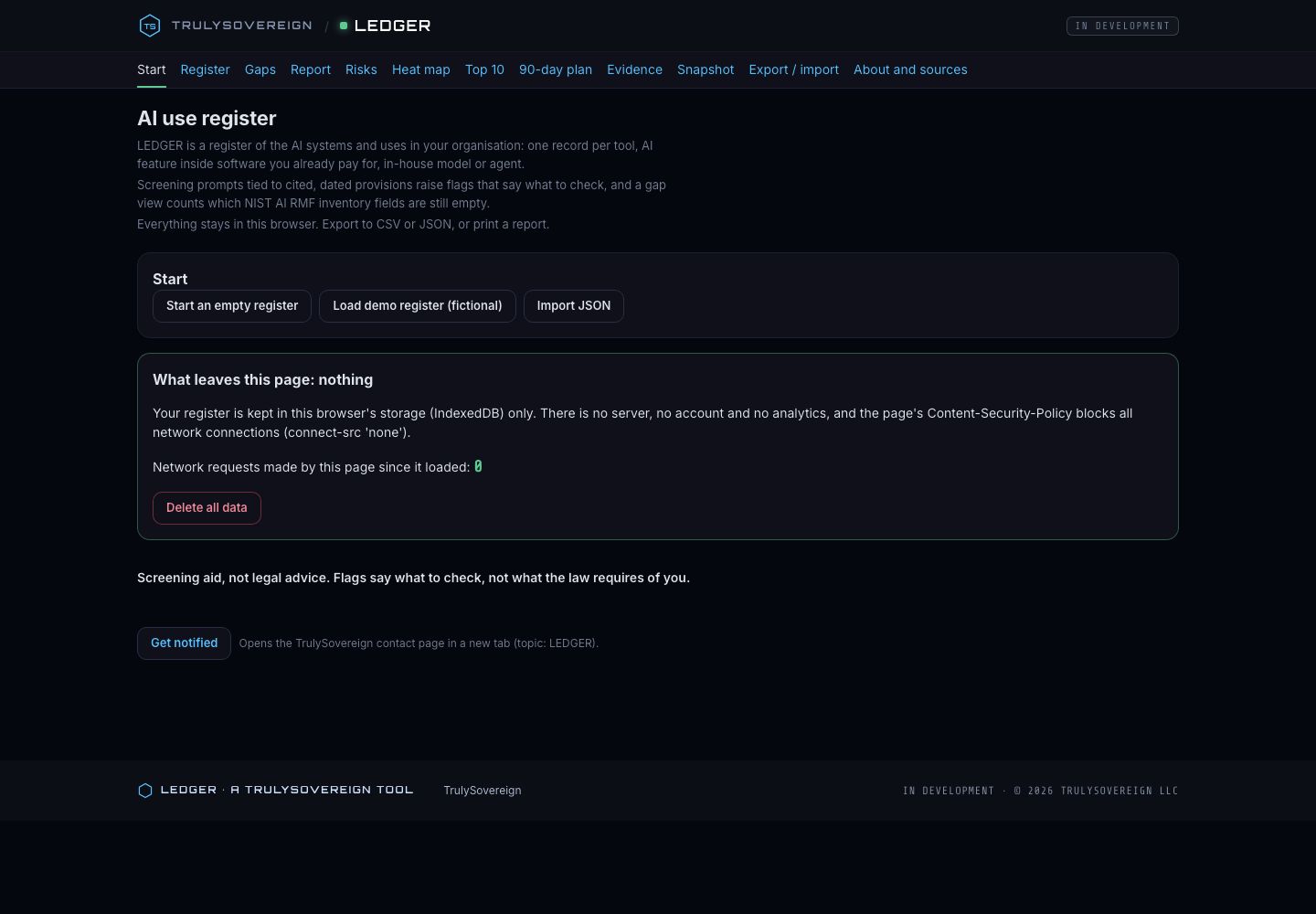
In development · public interface
An AI use register for making the tools and AI uses in an organisation visible in one place.
The public interface includes a register, fictional demo and JSON import. Production readiness is not established.
Explore LEDGERExamples of my own work, with tool-specific limits.
Full tool directory, research & status guide →Work with Chuck
Three advisory starting points. Agree the scope, deliverables, timing and price before work begins.
Clear ownership and review boundaries before a team adopts AI.
Scope to discuss
Policy outline, decision ownership and a review checklist.
Explore AI governance →Decide where AI fits a workflow and how to check its behavior.
Scope to discuss
Workflow map, risk boundaries and a validation plan.
Explore AI implementation planning →Help people evaluate outputs, recognize limits and make responsible decisions.
Scope to discuss
Practical scenarios and guidance your team can reuse.
Explore Team AI literacy →From my own operation / 03
RADAR makes the work of interpreting AI platform changes visible: the published explanation, the source, and the correction record.
Read the RADAR walkthrough ↗An own-operation example, not a customer case study.
A stream of changes still leaves the reader asking what matters and what to do next.
Publish a sourced explanation of what changed, why it matters and what to do; keep corrections visible.
Inspect the agent network boundaries example and public correction record.
Publication is not proof of correctness. Model confidence is not measured accuracy; precision remains unestablished.
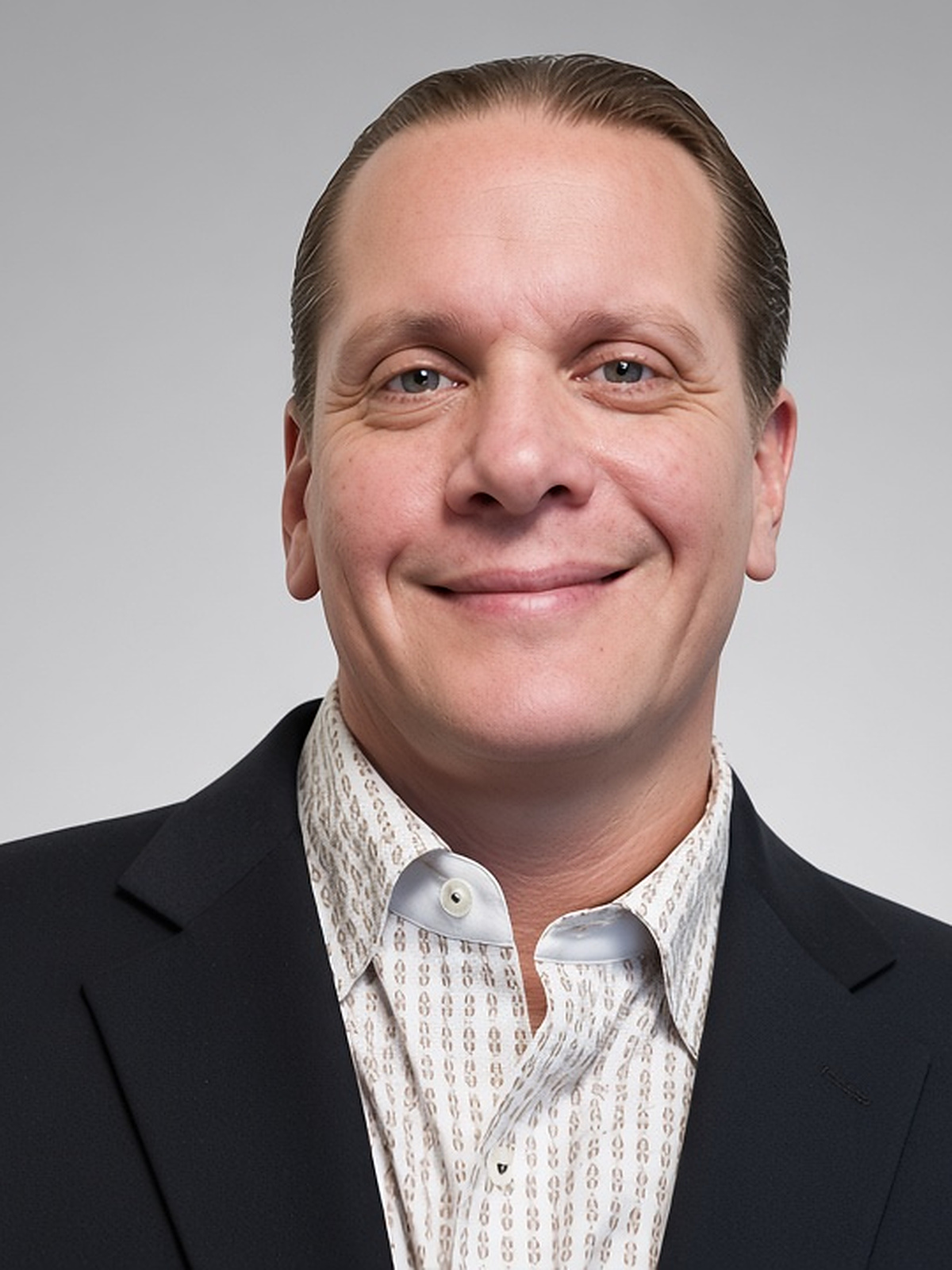
Chuck Orlowski — Big 4 consulting, then Business Information Security Officer at GE Vernova, and a member of the CMMC Industry Standards Council — built what he could never buy.
Read the full story →Updates
One thing you can subscribe to today: the RADAR digest.
It is sent only on days something changed, and every item says what changed, why it matters, and what to do.
Get the RADAR digestFollow on LinkedIn →One-click unsubscribe. No account.
Tell Chuck what you are trying to do, who needs to use the result and where the work is getting stuck.
Discuss your project →